
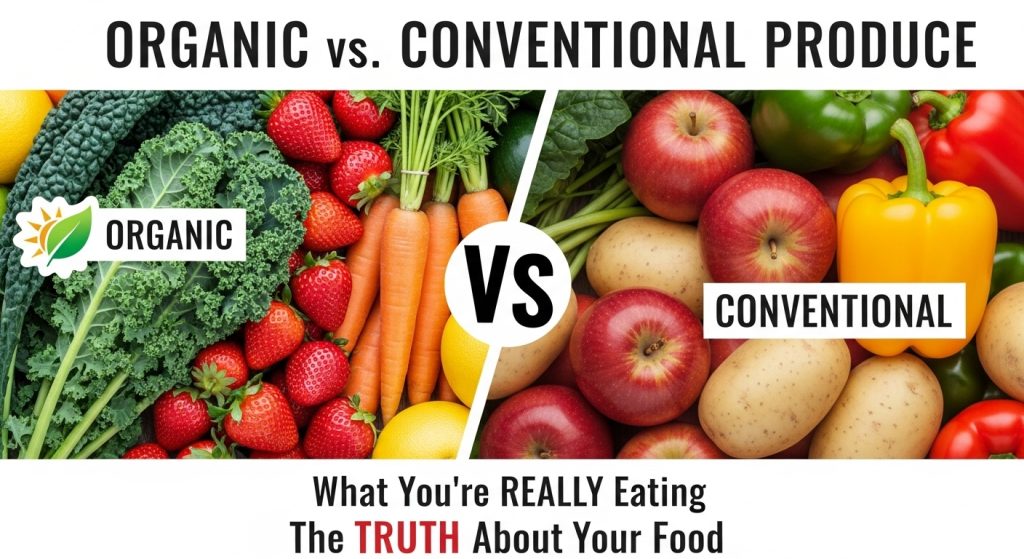
Organic vs. Conventional Produce: What’s Really on Your Plate?
Organic vs. Conventional Produce: A Side-by-Side Look at What You’re Really Eating
Walking through the produce section can feel like a pop quiz. You’re faced with a choice: Do you reach for the familiar, budget-friendly conventional apple, or do you splurge on its certified organic counterpart? The debate over organic vs. conventional produce is filled with strong opinions, but understanding the facts about farming practices, nutritional content, and health implications can help you make the best choice for you and your family.
What’s the Core Difference? Farming Practices Explained
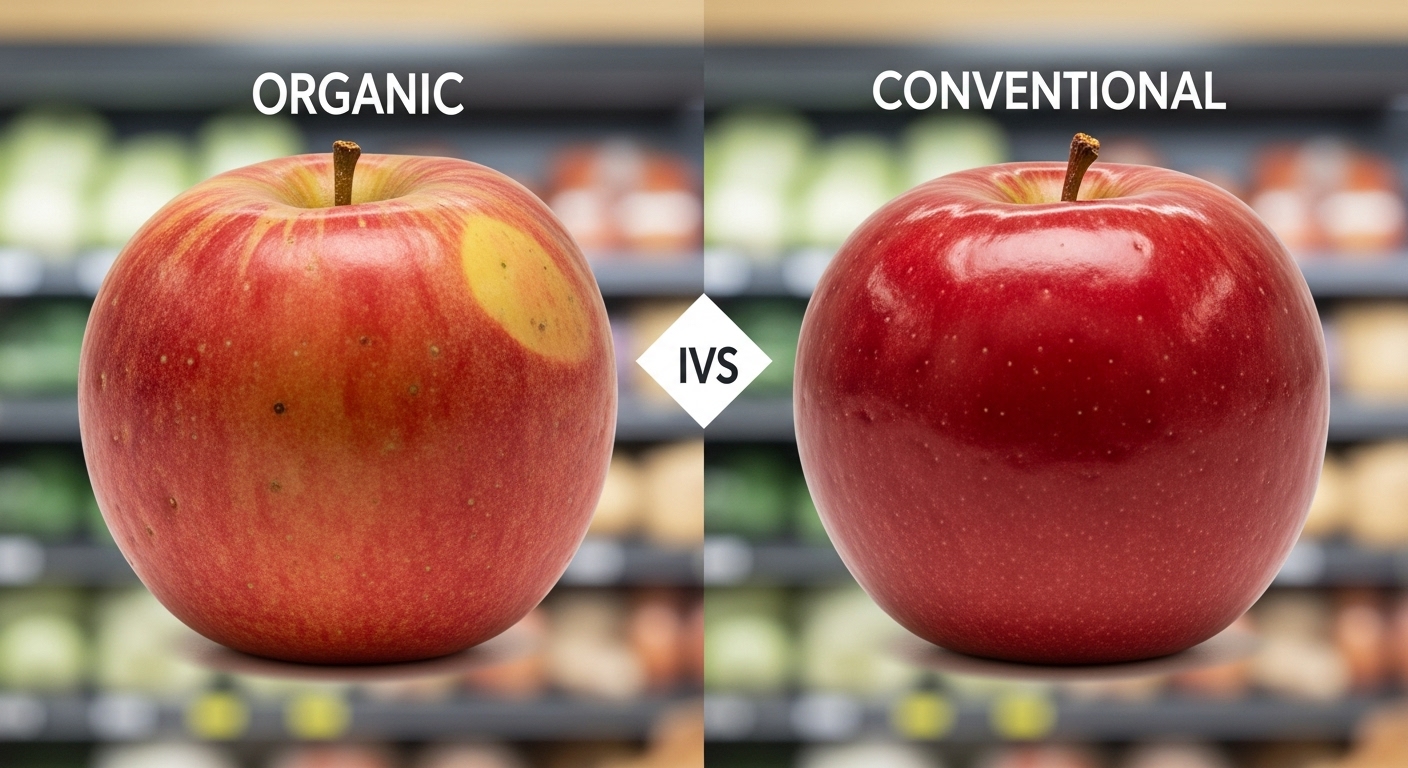
The primary distinction between organic and conventional produce lies in how they are grown. The label on your food tells a story about its journey from farm to table.
Conventional Produce Farming
Conventional produce is grown using methods developed over the last century to maximize yield and efficiency. These practices often include the use of synthetic chemical fertilizers to provide nutrients to the soil and synthetic pesticides (herbicides, insecticides, and fungicides) to protect crops from weeds, pests, and diseases. These methods result in durable, uniform produce and lower costs for the consumer.
Organic Produce Farming
To be certified as organic produce, crops must be grown according to strict standards. These standards, which extend beyond produce to other categories like the wonderful world of organic dairy, prohibit the use of most synthetic pesticides and fertilizers, genetically modified organisms (GMOs), and sewage sludge. Instead, organic farmers rely on natural processes and materials, such as crop rotation, cover crops, and compost, to maintain soil health and manage pests.
The Pesticide Debate: Pesticides in Organic vs. Conventional Foods
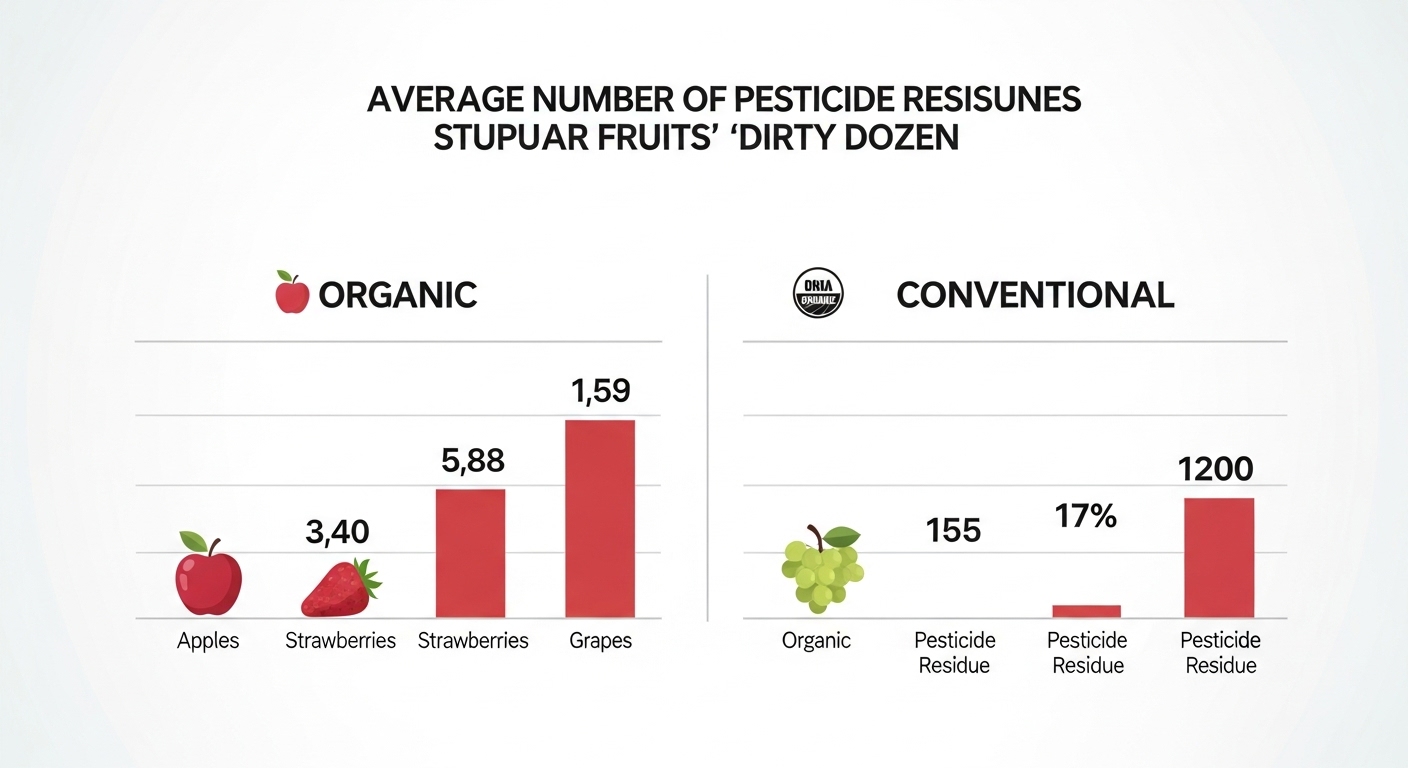
One of the most significant drivers for consumers choosing organic is the concern over pesticide residues. When comparing pesticides in organic vs. conventional produce, the difference is clear. Numerous studies have shown that organic produce has significantly lower levels of detectable pesticide residues. While regulatory bodies like the EPA set tolerance levels for pesticides on conventional foods that are deemed safe for consumption, many people prefer a proactive approach to limit their exposure. The long-term health benefits of organic food, particularly for children and pregnant women, are often linked to this reduced chemical load.
Are There Nutritional Differences in Organic Produce?
Does organic mean more nutritious? This is a complex question. Some research has indicated that there are subtle nutritional differences in organic produce. For example, some studies have found that organic fruits and vegetables may contain higher concentrations of certain antioxidants and vitamins, like vitamin C. However, other large-scale reviews have found the differences to be insignificant from a public health perspective. The nutritional content of any plant is influenced by many factors, including soil quality, climate, and time of harvest, much like the debate over the nutritional benefits of wild vs. cultivated blueberries. The primary consensus is that the best way to get nutrients is to eat a wide variety of fruits and vegetables, regardless of how they are grown.
The Bottom Line: Is Organic Produce Worth It?
Ultimately, the question of ‘is organic produce worth it?‘ is a personal one that involves balancing cost, environmental impact, and personal health priorities. The clear organic food benefits include drastically reduced exposure to synthetic pesticides and farming practices that are generally more sustainable for the environment. However, the higher price point can be a significant barrier for many households. For those looking to easily incorporate more organic options, a curated selection like our Organic Fresh Produce Box can be a convenient starting point.
If your budget is a concern, consider a hybrid approach. You can prioritize buying organic versions of produce on the Environmental Working Group’s ‘Dirty Dozen’ list (items with the highest pesticide residues) and opt for conventional versions of the ‘Clean Fifteen’ (items with the lowest). At the end of the day, the most critical health decision is to fill your plate with plenty of fresh produce, whether it’s organic or conventional.