

Ambient vs. Chilled Cheese: Maximizing Storage in Tiny Kitchens
Ambient vs. Chilled Cheese: Which Option Maximizes Storage in Tiny Kitchens?
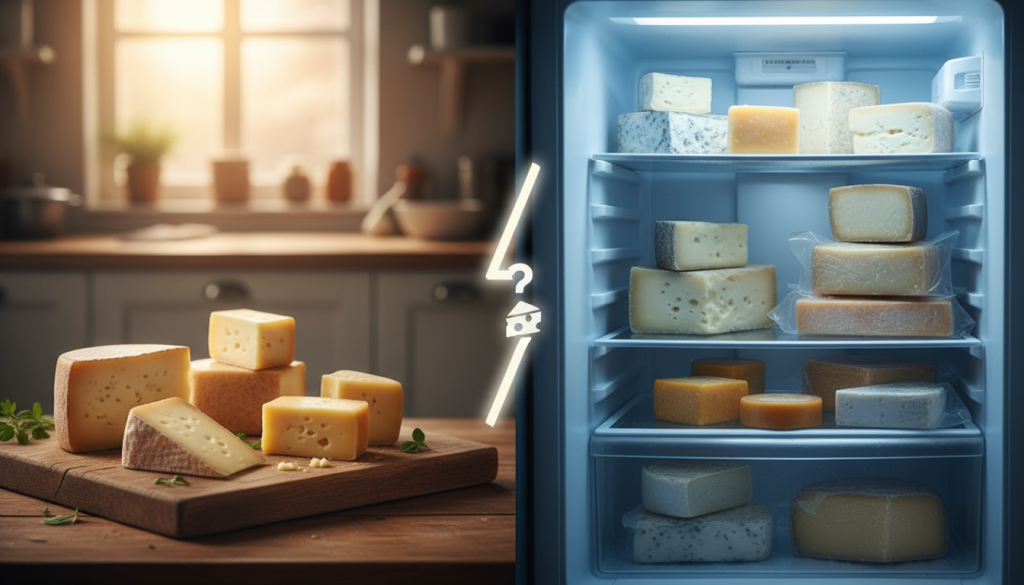
Tiny kitchen owners face a constant battle for real estate. Every appliance, utensil, and ingredient must justify its existence and its location. Among these ingredients, cheese presents a unique conundrum. Most modern consumers automatically place all dairy products in the refrigerator. However, this habit often wastes precious cold storage space and dulls the flavor of premium products. By distinguishing between ambient vs chilled cheese storage, you can optimize your tiny kitchen layout significantly. This guide explores the science, safety, and spatial benefits of storing cheese correctly in small spaces.
The Case for Ambient Cheese Storage
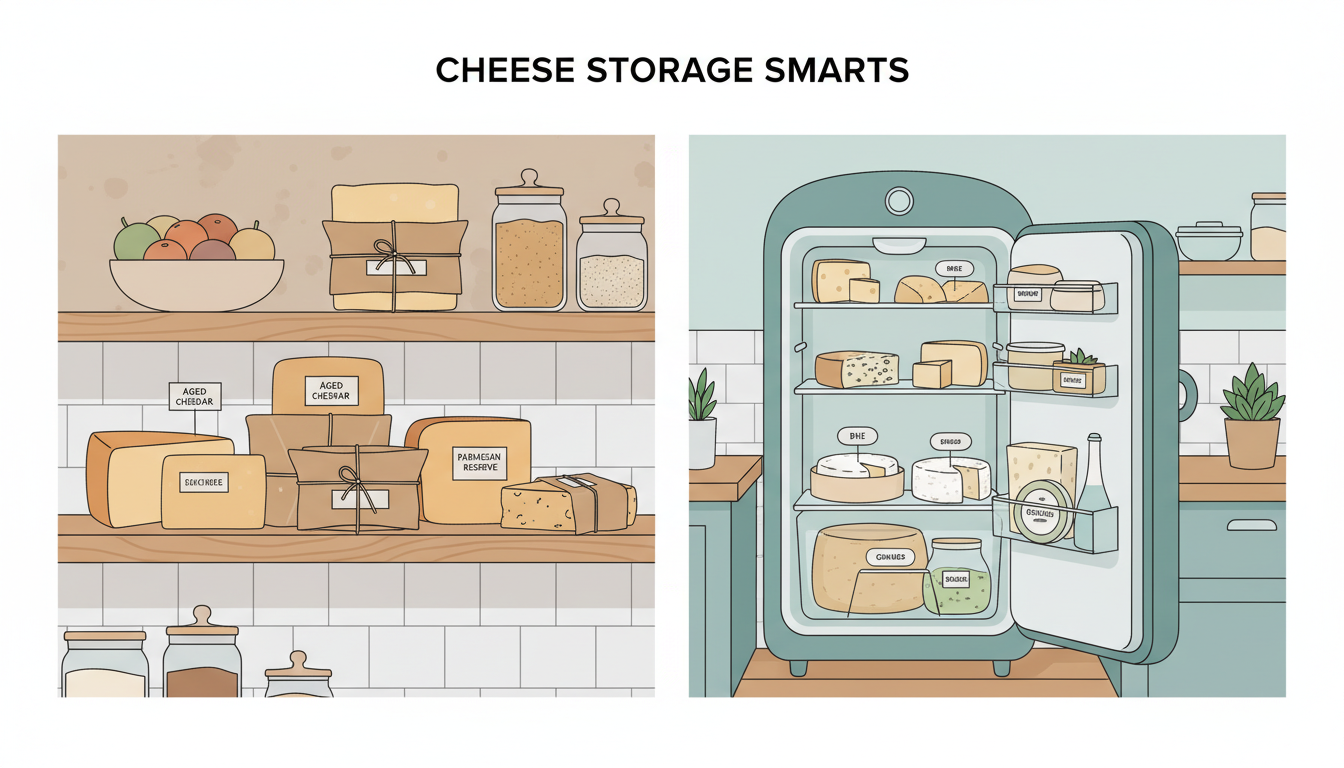
Historically, cheesemakers developed cheese as a method to preserve milk long before electricity powered our homes. Consequently, many cheese varieties thrive outside the refrigerator. Understanding which types qualify for ambient storage allows you to reclaim vital refrigerator shelf space.
Identifying Shelf-Stable Candidates
Moisture content dictates the safety of ambient storage. Hard, aged cheeses contain very little water and high salt content, which creates an inhospitable environment for harmful bacteria. Therefore, you can safely store the following varieties in a cool, dark pantry:
- Parmigiano-Reggiano: This hard cheese withstands ambient temperatures exceptionally well due to its extensive aging process.
- Aged Gouda: As Gouda ages, it loses moisture and crystallizes, making it suitable for pantry storage.
- Pecorino Romano: Similar to Parmesan, its saltiness acts as a natural preservative.
- Mimolette: This hard French cheese mimics a cannonball in hardness and survives well without refrigeration.
Moreover, storing these cheeses at ambient temperatures (ideally between 55°F and 60°F) preserves their complex flavor profiles. Refrigeration often suppresses the aromatic compounds in aged cheese. In light of this, perfecting your sourcing strategy for high-quality dairy ensures you acquire robust wheels that withstand pantry aging better than processed alternatives. By moving these items to a designated pantry zone, you immediately expand your available cold storage capacity.
When Chilled Storage is Non-Negotiable
Conversely, soft and fresh cheeses require strict temperature control. High moisture levels in these products provide a breeding ground for pathogens like Listeria and Salmonella if left at room temperature. You must prioritize space in your small refrigerator for these perishables.
Cheeses That Demand Cold
Safety trumps space saving when dealing with fresh dairy. Ensure you allocate fridge space for:
- Fresh Mozzarella and Burrata: These contain high water content and spoil rapidly.
- Ricotta and Cottage Cheese: These are essentially fresh curds and possess zero shelf stability.
- Soft-Ripened Cheeses (Brie, Camembert): While you should serve these at room temperature, you must store them chilled to prevent over-ripening and ammonia development.
- Blue Cheeses: The mold in blue cheese can run wild at ambient temperatures, leading to spoilage.
Similarly, semi-hard brined cheeses like Lemnos Haloumi require consistent refrigeration to maintain their texture. Furthermore, improper storage of these items poses severe health risks. For definitive guidance on storage timelines, consult the FoodSafety.gov FoodKeeper App to ensure you prioritize the health and safety of your household.
Strategies for Storing Cheese in Small Kitchens
Successfully implementing an ambient storage strategy requires the right equipment and conditions. You cannot simply throw a block of cheddar in a cupboard and hope for the best. You must curate the environment to mimic a traditional cheese cave.
Creating a Micro-Climate
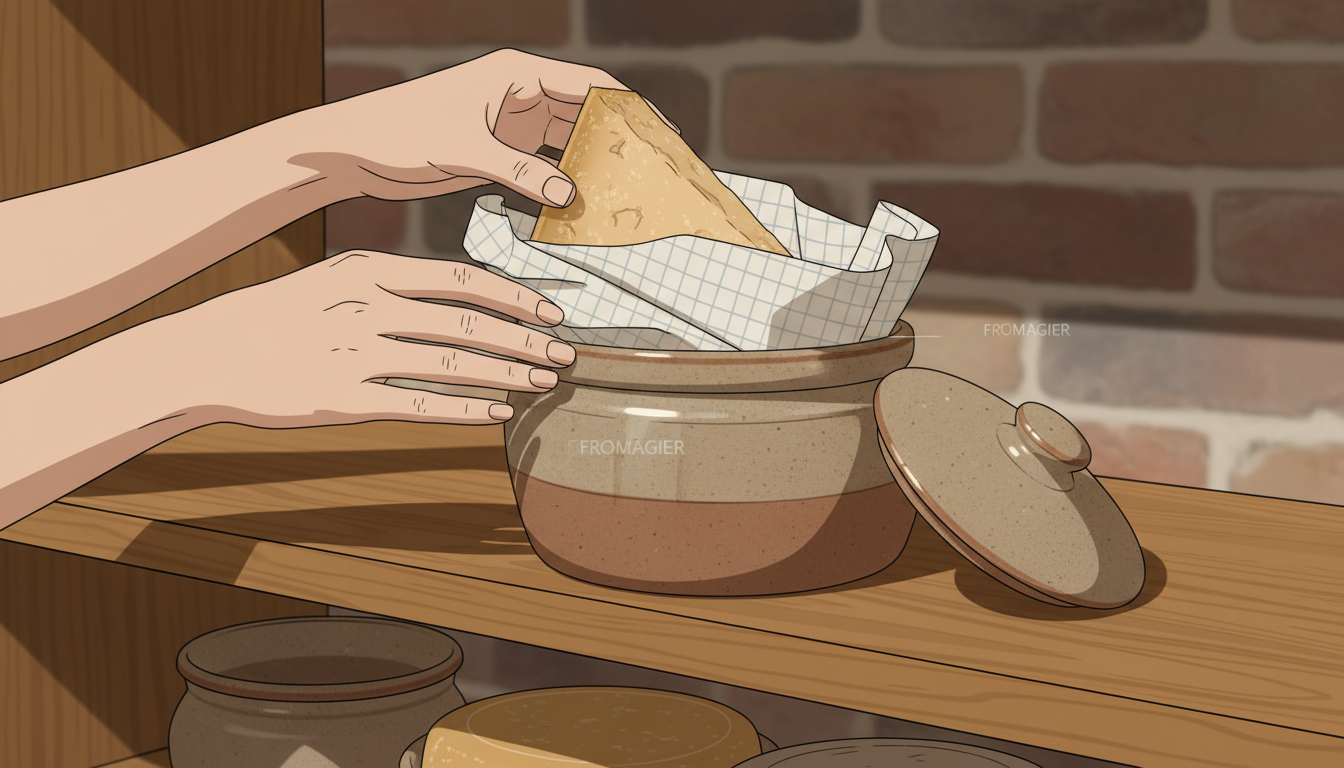
Tiny kitchens often fluctuate in temperature due to cooking heat. Therefore, you must identify the coolest spot in your kitchen. Usually, a lower cabinet away from the oven or a dark corner of a pantry works best. Utilize a cheese bell or a stoneware crock. These tools regulate humidity and temperature, protecting the cheese from drying out while allowing it to breathe.
The Importance of Wrapping Materials
Plastic wrap suffocates cheese and traps moisture, which encourages mold growth even on hard cheeses. Instead, utilize cheese paper or wax paper. These materials allow for gas exchange while retaining necessary oils. If you lack specialized paper, wrap the cheese in parchment paper and then loosely in aluminum foil. This technique extends the lifespan of your ambient cheese significantly.
Optimizing Space: The Verdict
Ultimately, the decision between ambient vs chilled cheese storage depends on your dietary habits and your specific kitchen layout. If you primarily consume hard, aged cheeses, adopting ambient storage techniques will revolutionize your kitchen workflow. You gain fridge space for organic vs. conventional produce and leftovers while enjoying cheese at its peak flavor potential.
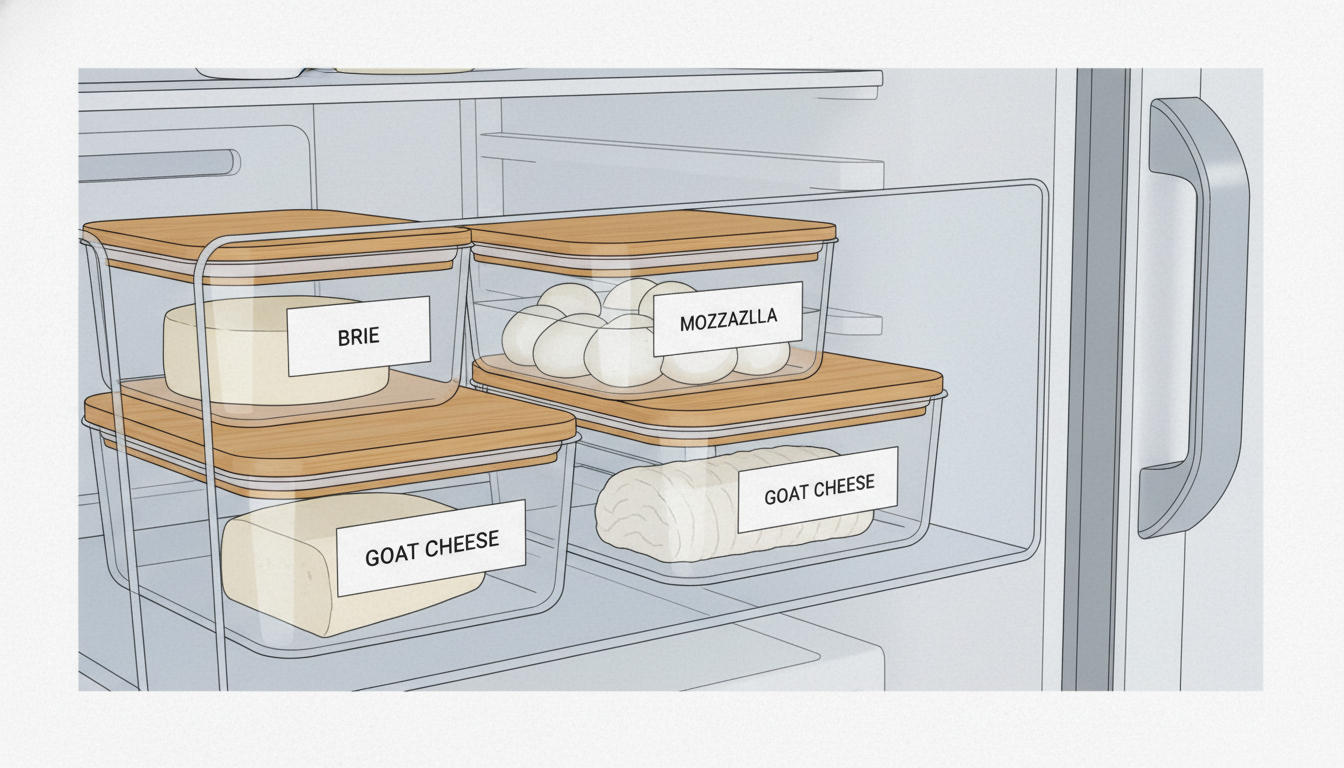
On the other hand, if your palate prefers soft, creamy varieties, you must invest in fridge organizers to maximize that limited space. Stackable clear bins and vacuum-sealed containers can help compress the footprint of chilled cheeses. Furthermore, consider buying smaller quantities more frequently to avoid overstuffing your appliance.
Conclusion
Maximizing storage in tiny kitchens requires smart decision-making and a departure from conventional habits. By understanding the distinct needs of ambient vs chilled cheese, you create a more efficient, spacious, and flavorful culinary environment. Assess your cheese preferences today, perhaps considering a pairing of pantry-aged cheese with Grey Box Honey with Blackberry for an elevated experience, and confidently move those hard cheeses to the pantry. Your refrigerator—and your taste buds—will thank you.