

Sourcing Strategy: Securing High-Quality Dairy and Fresh Fruit in Competitive City Markets
Running a food service establishment in a dense urban environment demands military-grade precision. You face fierce competition, tight margins, and logistical nightmares that rural businesses simply do not encounter. Specifically, securing high-quality perishables requires a robust food sourcing strategy that eliminates waste and ensures consistency. Your customers demand the freshest ingredients, and your bottom line depends on smart procurement. To help you succeed, this guide explores actionable tactics to master dairy and fresh fruit procurement in a chaotic city landscape.
Understanding Urban Supply Chain Management
Fundamentally, the city environment dictates your supply chain rules. Tight streets, limited parking, and noise ordinances restrict when and how suppliers deliver goods. Therefore, you must select partners who understand urban supply chain management. A supplier with massive semi-trucks often fails to navigate narrow alleys, causing delays that compromise ingredient freshness. In light of this, finding a reliable partner is crucial; checking a City Wholefood distributor review can highlight why choosing the top frozen distributor for Sydney matters for reliability.
Moreover, speed drives success in the city. You need suppliers who operate agile fleets capable of making frequent, smaller deliveries. This approach reduces your need for massive onsite storage, which rent costs usually prohibit. Consequently, your sourcing strategy must prioritize agility over bulk volume, especially when stocking versatile items like Elgin organic mango chunks or other flash-frozen goods that save space.
The Cost of Inefficiency
Inefficiency kills profitability. When a delivery arrives late during the lunch rush, your kitchen crashes. Furthermore, poor handling leads to spoilage. You pay for every tomato you throw away. Thus, you must audit your supply chain for potential bottlenecks before they disrupt your operations.
Strategies for Dairy Supply Chain Optimization
Dairy products constitute some of the most sensitive items in your inventory. Temperature fluctuations rapidly degrade quality and safety. To achieve dairy supply chain optimization, you must demand transparency from your vendors. You need to know exactly how they monitor temperature from the farm to your refrigerator.
In addition, diversification protects your business. Relying on a single source for milk, cheese, and cream creates a single point of failure. Conversely, maintaining relationships with multiple vendors ensures you have a backup if one supplier faces a shortage on staples or specialty items like Lemnos Haloumi. Consider these factors when vetting dairy partners:
- Cold Chain Integrity: Verify that the supplier uses refrigerated trucks with continuous temperature monitoring.
- Delivery Windows: Confirm they can deliver outside of your peak operating hours to avoid kitchen disruptions.
- Local Connections: Local dairies often provide fresher products with shorter travel times than national brands.

Ultimately, freshness dictates flavor. A latte made with milk processed yesterday tastes significantly better than one made with milk processed two weeks ago. Your customers notice the difference. For inspiration on how quality ingredients elevate a menu, consider these 5 gourmet recipes transformed by Barambah Full Cream Milk. Therefore, prioritize freshness over minor price differences when securing dairy contracts.
Mastering Fresh Fruit Supplier Selection
Fruit sourcing presents a different set of challenges, primarily revolving around seasonality and aesthetic standards. Securing high-quality produce requires you to follow the seasons. Serving strawberries in winter often results in high costs and poor flavor. Instead, build your menu around what the market currently offers.
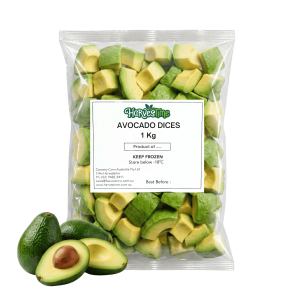
Furthermore, fresh fruit supplier selection involves rigorous quality control checks. You must establish strict acceptance criteria. Understanding the nuances of organic vs. conventional produce ensures you set realistic expectations for your inventory. If a crate of fresh avocados arrives too hard or too ripe, your team must reject it immediately. On the other hand, many efficient kitchens utilize premium frozen alternatives, such as Harvestime avocado dice, to guarantee perfect consistency and zero waste. Suppliers quickly learn your standards and stop sending subpar goods if you consistently enforce quality boundaries.
Consequently, building relationships with local wholesalers gives you an edge. In a competitive city market sourcing scenario, wholesalers often save their best produce for their most loyal and communicative clients. Visit the wholesale market personally. Shake hands with the vendors. These personal connections often unlock access to premium inventory that never makes it to the general price list.
Navigating the Competitive City Market
Competition in the city drives prices up and availability down. To combat this, you must leverage data. Modern local food procurement for businesses relies on accurate forecasting. Analyze your sales data to predict exactly how much fruit and dairy you need. Over-ordering leads to waste, while under-ordering disappoints customers.
Moreover, consider cooperative purchasing. Small businesses often struggle to command the attention of large suppliers. However, forming a buying group with neighboring restaurants increases your collective purchasing power. This leverage allows you to negotiate better prices and priority delivery slots.

Implementing Technology
Technology streamlines procurement. Inventory management software integrates directly with supplier systems. This integration automates reordering and tracks price fluctuations. As a result, you spend less time on the phone and more time managing your quality.
Conclusion
Securing high-quality dairy and fresh fruit in a crowded city market requires more than just placing orders; it demands a strategic partnership with your supply chain. You must prioritize agility, enforce strict quality standards, and leverage relationships to succeed. By implementing a proactive food sourcing strategy, you ensure that your kitchen consistently produces excellence.
Ready to revolutionize your inventory management? Contact our team today to audit your supply chain and secure the freshest ingredients for your business.