
Frozen vs. Fresh Vegetables Nutrition: The Ultimate Health Comparison
The Great Debate: Are Frozen Fruit and Vegetables as Healthy as Fresh?
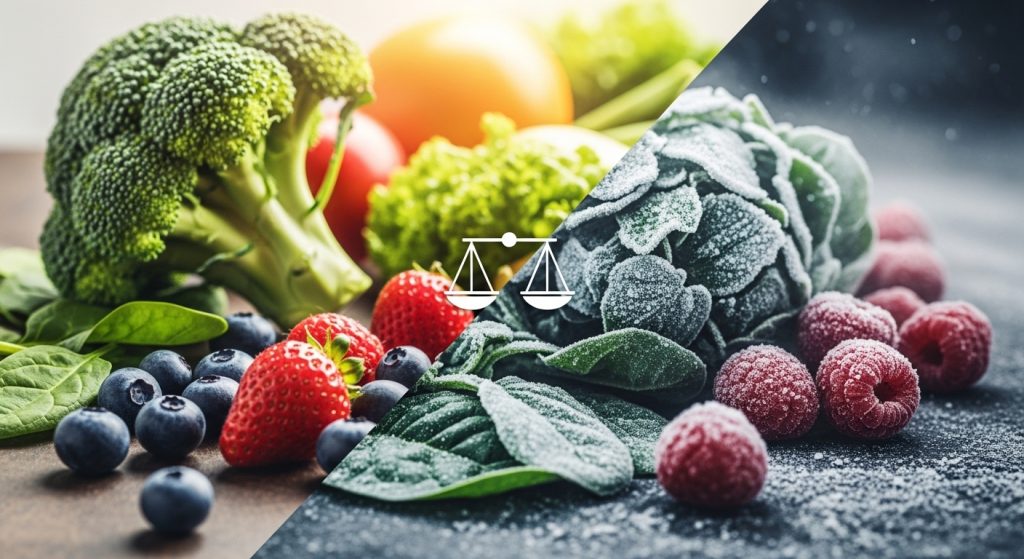
Shoppers frequently pause in the produce aisle, torn between the allure of fresh displays and the convenience of the freezer section. A common misconception plagues the modern consumer: the belief that “fresh” is synonymous with “superior.” However, food science paints a much more complex picture regarding frozen vs fresh vegetables nutrition.
In reality, the nutritional difference between fresh and frozen produce often favors the freezer. This article dissects the journey your food takes, analyzes vitamin retention, and answers the pressing question: is frozen fruit healthy for your daily diet?
The Supply Chain: Farm to Fork vs. Farm to Freezer
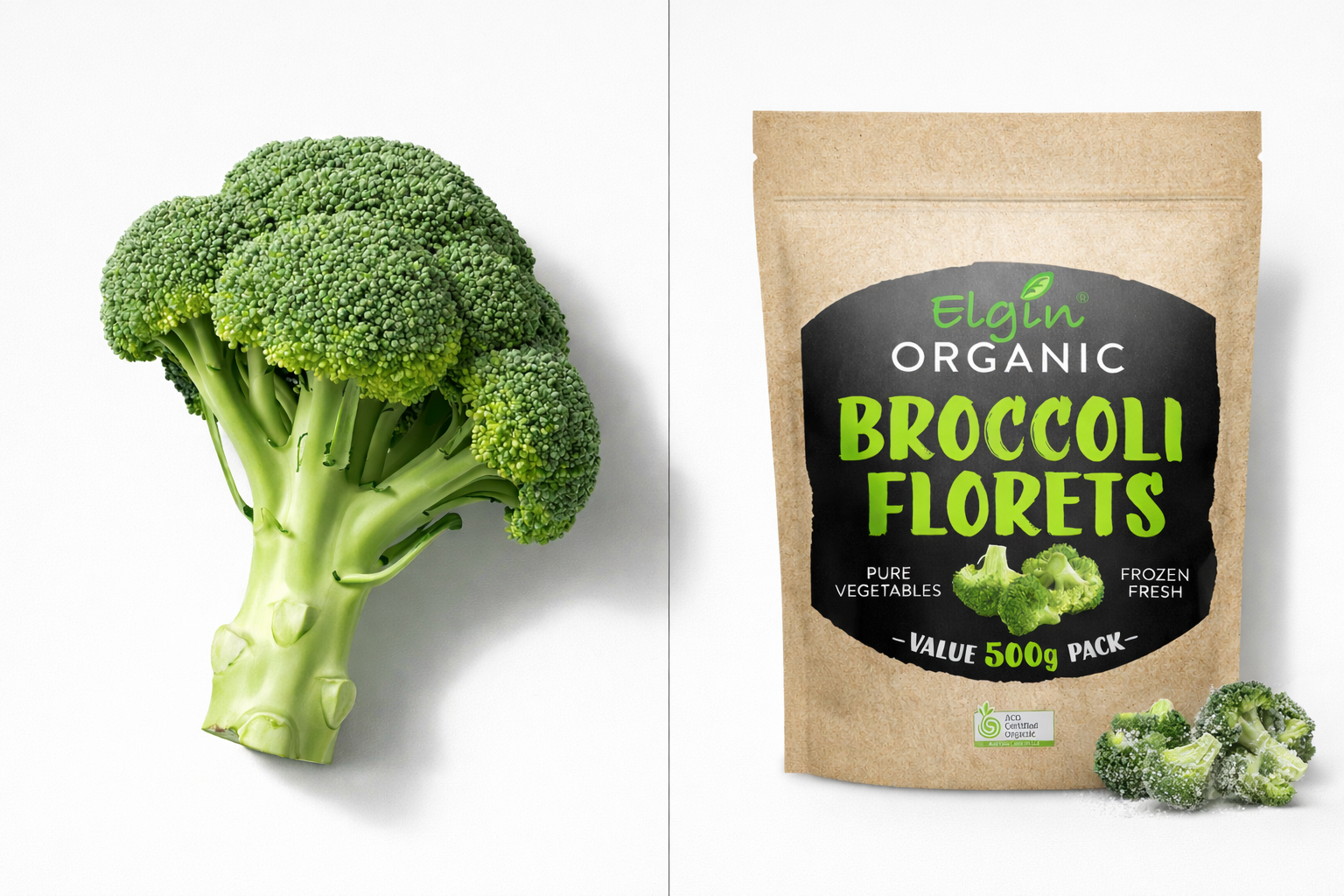
To understand the nutritional value, we must first understand the timeline. Farmers harvest fresh fruits and vegetables before they reach full ripeness. They do this to ensure the produce survives the long journey of shipping and storage without rotting.
Consequently, these crops ripen artificially during transport. This transit time allows natural enzymes to degrade vital nutrients. By the time fresh spinach reaches your refrigerator, it may have lost up to 50% of its folate content.
Conversely, the process for frozen produce differs significantly. Farmers pick these crops at the very peak of ripeness, the moment when nutrient density reaches its highest point. Manufacturers then blanch and flash-freeze the produce within hours. This rapid freezing technology locks in the vitamins, mineral content, and antioxidants immediately.
Nutritional Breakdown: Vitamins in Frozen vs. Fresh Produce
Scientific studies reveal surprising data when comparing specific nutrients. While fresh produce looks appealing, the invisible nutrient degradation tells a different story. Let’s examine the specific breakdown.
1. Vitamin C and B Vitamins
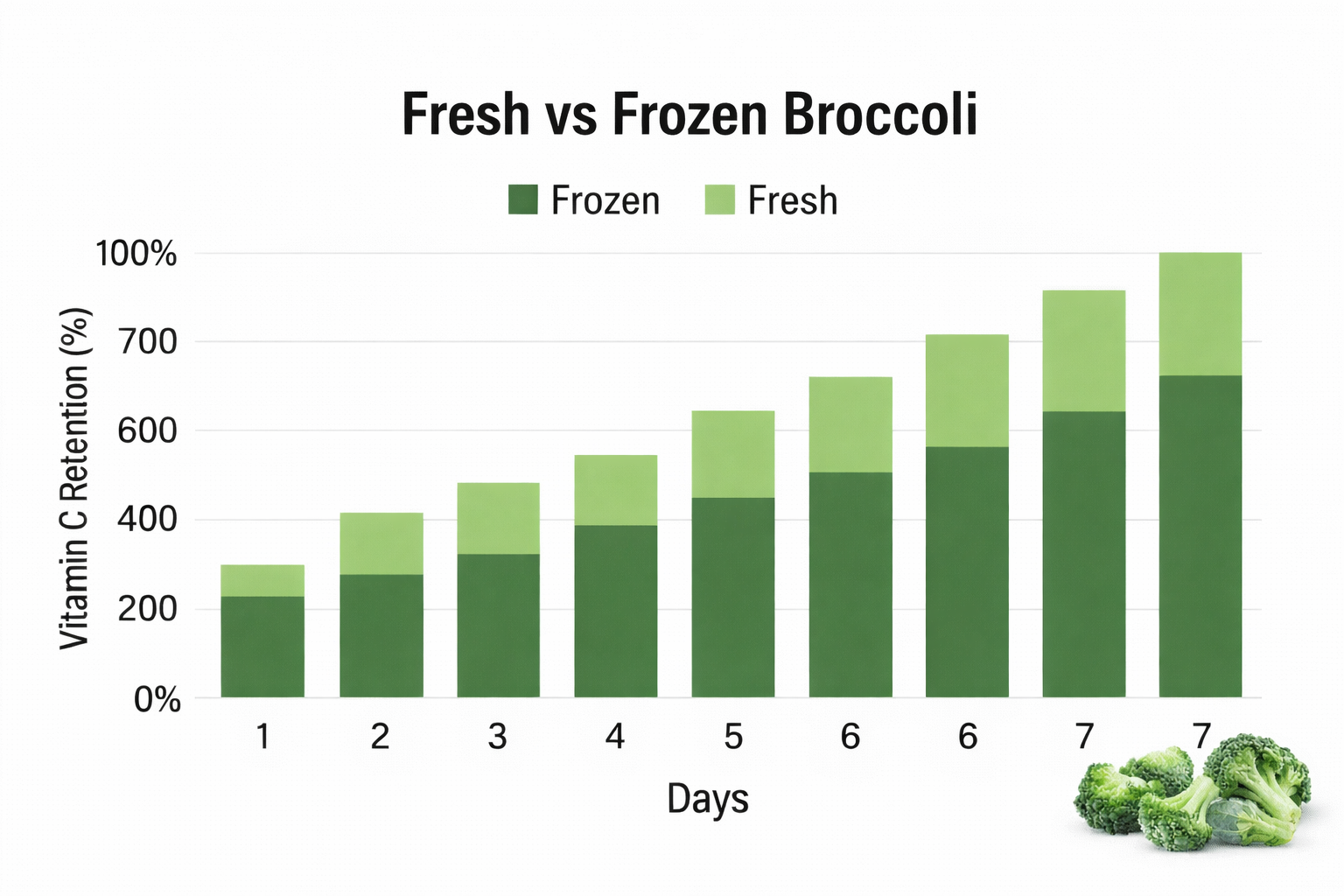
Water-soluble vitamins, such as Vitamin C and B complex, degrade rapidly when exposed to heat, light, and oxygen. Fresh produce sitting under fluorescent grocery store lights loses these vitamins continuously.
However, the freezing process preserves these sensitive nutrients. For instance, frozen green beans often contain higher levels of Vitamin C compared to fresh green beans that have been stored for just a few days. Similarly, flash-frozen staples like organic peas retain their sweetness and structural integrity, ensuring you receive maximum nutritional value from the freezer aisle.
2. Fiber and Minerals
Fortunately, fiber and minerals like calcium, iron, and magnesium remain highly stable. Whether you choose fresh or frozen, your body receives the same amount of dietary fiber and essential minerals. The physical state of the vegetable does not alter these structural components.
Is Frozen Fruit Healthy? The Sweet Truth
Many consumers worry that frozen fruit contains added sugars or preservatives. Generally, this fear is unfounded, provided you read the label. Most frozen fruit packages contain exactly one ingredient: the fruit itself.
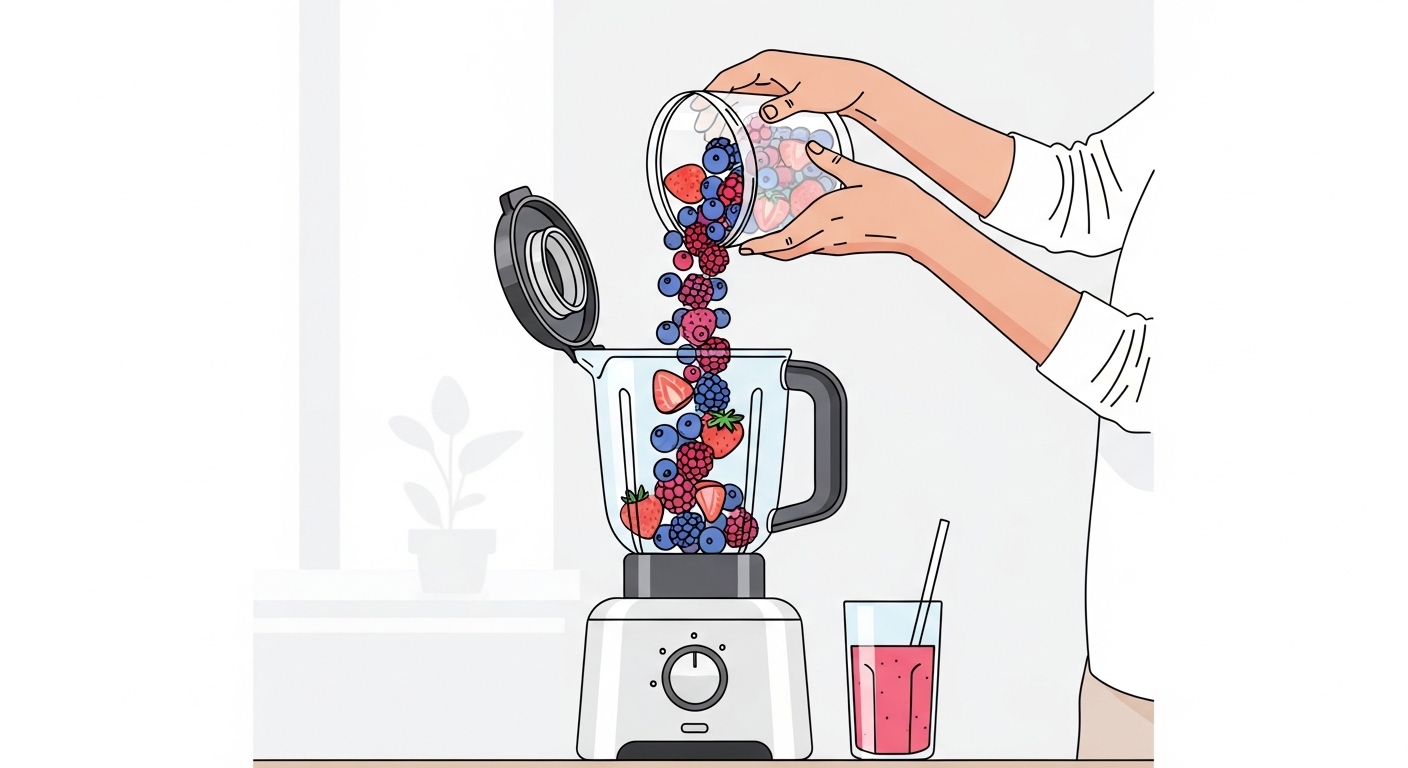
Furthermore, the benefits of frozen fruits and vegetables extend to smoothie lovers and bakers. Because manufacturers freeze fruit at peak maturity, it often tastes sweeter and richer than out-of-season fresh fruit imported from halfway across the globe. Whether you blend wild blueberries into a shake or bake raspberries into muffins, you gain access to the fruit’s maximum nutritional profile. In fact, utilizing the 5 healthiest berries for everyday nutrition can significantly boost your antioxidant intake.
Benefits of Frozen Fruits and Vegetables Beyond Nutrition
Beyond the frozen vs fresh produce health comparison, practical advantages make frozen options superior for many households. Integrating frozen foods can streamline your meal prep and budget.
- Cost-Effectiveness: Frozen produce costs significantly less per serving, especially when analyzing the value of organic vs. conventional produce.
- Food Waste Reduction: You use only what you need and return the rest to the freezer, eliminating the “soggy vegetable drawer” phenomenon.
- Year-Round Availability: You can enjoy nutritious berries and squash even when they are completely out of season locally.
- Convenience: Most frozen veggies come pre-washed and chopped, saving you valuable preparation time.
When to Choose Fresh Over Frozen
Despite the benefits of freezing, fresh produce holds a specific place in culinary applications. Texture changes significantly during the freezing and thawing process. The water inside the plant cells expands and forms ice crystals, which can rupture cell walls.
Therefore, you should choose fresh produce when texture matters most. Salads, crisp garnishes, and raw vegetable platters require the structural integrity that only fresh vegetables provide. In contrast, frozen vegetables work perfectly for soups, stews, sautés, and smoothies where a crisp texture is unnecessary.
Conclusion: The Verdict on Frozen vs. Fresh
So, are frozen vegetables as good as fresh? In many cases, they are nutritionally superior. They offer peak nutrient retention, convenience, and cost savings. While fresh local produce consumed immediately after harvest remains the gold standard, supermarket fresh produce often lags behind frozen alternatives in nutrient density.
Ultimately, the healthiest vegetable is the one you actually consume. Do not let the fear of “processed” food deter you from the freezer aisle. Stock your freezer with confidence, knowing you are making a smart investment in your long-term health. Prioritize variety, keep your freezer stocked, and enjoy the full spectrum of nutrients that both fresh and frozen produce provide.